.png)


Why You Should Visit Your Dentist Every Six Months Without Fail

Have you ever wondered why dentists are so insistent about that six-month check-up? Do you find yourself pushing back appointments, thinking your teeth feel fine so what's the rush? And honestly, when was the last time you actually sat in that dental chair?
Here's the thing – those regular dental visits aren't just about getting a quick polish and being sent on your way. They're actually one of the most important things you can do for your overall health. Your mouth is essentially the gateway to your body, and what happens in there can affect everything from your heart to your mental wellbeing. Yet so many of us treat dental appointments as optional extras rather than essential healthcare.
In this post, we're going to explore exactly what happens during a dental check-up, why that six-month timeframe matters so much, and what could happen if you skip those appointments for years on end. We'll also look at whether annual visits might work for some people, how to overcome dental anxiety, and how regular visits can actually save you money in the long run. By the end, you'll understand why making that appointment truly needs to be non-negotiable.
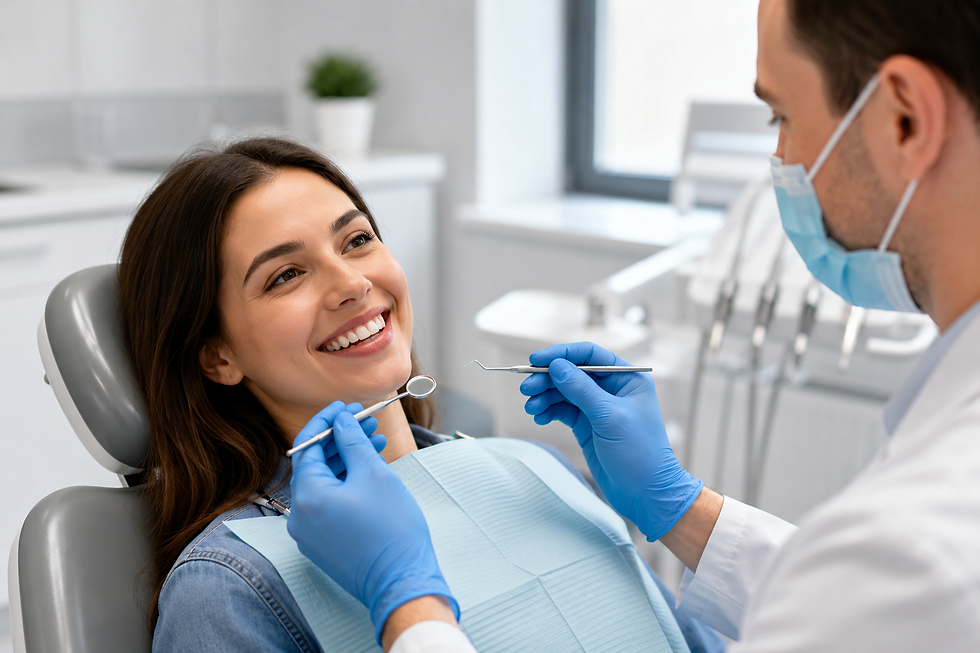
What Happens During a Dental Check-Up?
The Professional Clean: Why You Can't Replicate It at Home
Even if you're religious about brushing twice daily and flossing every night, there's simply no substitute for a professional clean. Your dentist and hygienist have access to specialised tools that can remove tartar – that hardened plaque that your toothbrush just can't shift. Once plaque hardens into tartar, no amount of brushing will get rid of it.
During a professional clean, your dental team also reaches those tricky spots you might miss. Think about the backs of your molars or just below the gum line. Plus, they can spot early signs of wear, grinding, or damage that you'd never notice yourself.
Oral Cancer Screening: The Silent Lifesaver
One thing many people don't realise is that every routine check-up includes an oral cancer screening. Your dentist examines your tongue, throat, cheeks, and gums for any unusual changes or suspicious spots. Oral cancer, when caught early, has a much higher survival rate.
This screening takes just minutes but could genuinely save your life. It's quick, painless, and happens automatically – another brilliant reason to keep those appointments.
X-Rays and Hidden Problems: What Your Dentist Sees That You Don't
X-rays reveal what's happening beneath the surface. Decay between teeth, infections at the root, bone loss, impacted teeth – none of these is visible to the naked eye. Your dentist uses these images to catch problems while they're still small and manageable.
Without regular X-rays, issues can develop undetected for years, only becoming apparent when they cause significant pain or damage.
Why Is It Important to Go to the Dentist Every Six Months?
Catching Decay Before It Becomes a Root Canal
A small cavity is relatively simple to treat. A quick filling, minimal discomfort, and you're sorted. But leave that same cavity unchecked, and it grows deeper, eventually reaching the nerve. Suddenly you're looking at root canal treatment – a longer, more expensive, and far less pleasant procedure.
The six-month interval is designed to catch decay in its earliest stages. It's the difference between a minor repair and major intervention.
Gum Disease: The Slow Progression You Won't Notice
Gum disease is sneaky. It often develops without obvious symptoms until it's quite advanced. You might notice some bleeding when you brush, but that's easy to dismiss. Meanwhile, the disease progresses, potentially leading to tooth loss and bone damage.
Regular check-ups allow your dentist to monitor your gum health and intervene early. Treatment for early-stage gum disease is straightforward, but advanced periodontitis requires extensive care.
Protecting Your Overall Health Beyond Your Mouth
Research consistently links poor oral health to serious conditions including heart disease, diabetes complications, and respiratory infections. Bacteria from infected gums can enter your bloodstream, contributing to inflammation throughout your body.
By maintaining good oral health through regular check-ups, you're actually protecting your whole body. It's preventative healthcare at its finest.
What Happens If You Don't Go to the Dentist for Years?
The True Cost of Avoiding the Dentist
Skip dental visits for several years, and you're likely facing a much larger bill when you finally see your Dentist. Those small issues that could have been fixed cheaply have now become major problems requiring expensive treatment.
What's more, you might need multiple appointments to address everything that's accumulated. The financial burden of neglect can far outweigh the cost of regular preventative care and routine visits to your Dentist.
How Neglect Leads to Emergency Appointments
Dental emergencies rarely happen out of nowhere. They're usually the result of untreated issues finally reaching breaking point. Severe toothache at 2am, a cracked tooth while eating, or an abscess that causes facial swelling – these emergencies are stressful, painful, and often avoidable.
Emergency dental care is also more expensive than routine treatment, and options may be limited compared to planned procedures.
Real Consequences: From Minor Cavities to Major Extractions
What starts as a tiny cavity can eventually result in tooth extraction if left untreated long enough. Missing teeth then create their own problems – shifting of remaining teeth, bone loss, difficulty chewing, and self-consciousness about your smile.
The journey from minor issue to major extraction is entirely preventable with regular dental visits.
Can You Go to the Dentist Once a Year Instead?
Who Might Need More Frequent Visits
Some people actually need to visit more often than every six months. If you have a history of gum disease, are prone to cavities, smoke, have diabetes, or are pregnant, your dentist might recommend quarterly visits. These higher-risk groups benefit from closer monitoring and more frequent professional cleans.
Children with developing teeth and seniors with changing oral health needs may also require adjusted schedules.
When Annual Visits Might Be Enough
For some individuals with excellent oral health, minimal dental history, and low risk factors, annual visits might suffice. However, this should only be determined by your dentist after assessing your specific situation. Don't make this decision yourself – let a professional evaluate your needs.
How Often Should You Really See Your Dentist?
Understanding Your Personal Risk Factors
The six-month recommendation works well for most Australians, but your ideal schedule depends on your personal risk factors. Your diet, oral hygiene habits, medical conditions, medications, and genetic predisposition all play a role.
Have an honest conversation with your dentist about your lifestyle and health. Together, you can determine the right frequency for your specific needs.
Children, Adults, and Seniors: Different Needs Explained
Children need regular monitoring as their teeth develop and adult teeth emerge. Adults face different challenges, including wear from grinding or acidic foods. Seniors often deal with dry mouth from medications, receding gums, and increased cavity risk.
Each life stage presents unique dental concerns, making personalised care essential.

Benefits of Regular Dental Visits for Your Wallet
Preventative Care vs. Reactive Treatment Costs
A routine check-up and clean costs a fraction of what you'd pay for emergency treatment or extensive restorative work. Prevention genuinely is cheaper than cure. Investing in regular appointments saves money long-term.
Think of it like servicing your car – regular maintenance prevents costly breakdowns.
Making the Most of Your Private Health Insurance
If you have extras cover, you're already paying for dental benefits. Annual limits often cover two check-ups plus additional treatments. Not using these benefits means wasting money you've already spent on premiums.
Check your policy and maximise what you're entitled to.
Overcoming Dental Anxiety: Tips for Nervous Patients
Why So Many Australians Avoid the Dentist
Dental anxiety affects roughly one in six Australians. Past negative experiences, fear of pain, or feeling vulnerable can all contribute. This fear often creates a vicious cycle – avoiding appointments leads to worse problems, which then require more extensive treatment, reinforcing the anxiety.
Practical Strategies to Ease Your Fears
Start by finding a dentist who understands anxious patients. Many practices offer sedation options, gentle techniques, and extra time to help nervous patients feel comfortable. Communicate your fears openly – a good dentist will adapt their approach accordingly.
Making Your Six-Month Appointment Non-Negotiable
Regular dental visits truly are essential healthcare, not optional extras. From catching decay early to screening for oral cancer, the benefits extend far beyond just keeping your smile bright. Your mouth is connected to your entire body, and caring for it properly impacts your overall wellbeing.
The financial argument alone is compelling – preventative care costs significantly less than reactive treatment. Add in the peace of mind that comes from knowing your oral health is being monitored, and those six-monthly appointments become genuinely worthwhile investments.
So here's your gentle nudge – if you haven't seen your dentist recently, pick up the phone today. Pop that appointment in your diary and treat it as unmissable. Your future self, your wallet, and your health will thank you for it. After all, you only get one set of adult teeth – looking after them properly just makes sense.


Comments