.png)


Dental Implants for Restoring Function, Comfort and Appearance

Have you ever felt self-conscious about a gap in your smile? Do missing teeth make eating your favourite foods a challenge? Perhaps you've wondered whether there's a permanent solution that actually feels like your natural teeth?
If any of these questions resonate with you, you're certainly not alone. Thousands of Australians face the same concerns every year, and many are discovering that dental implants offer a life-changing solution. Unlike traditional dentures or bridges, implants provide a stable, long-lasting foundation that mimics your natural teeth in almost every way.
In this comprehensive guide, we'll explore everything you need to know about dental implants. From understanding how they work to discovering whether you're a suitable candidate, we'll cover the full journey. You'll learn about costs, recovery times, and how implants compare to other tooth replacement options. By the end, you'll have all the information needed to make an informed decision about your dental health.
What Are Dental Implants and How Do They Work?
The Anatomy of a Dental Implant
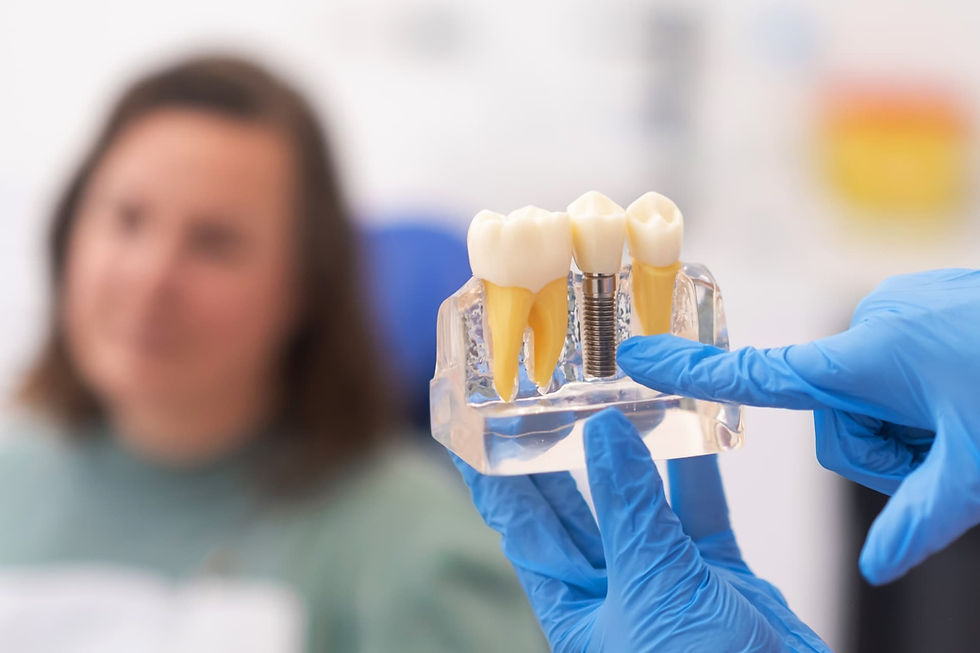
A dental implant consists of three main components working together. The implant post itself is a small titanium screw that's surgically placed into your jawbone. This acts as an artificial tooth root, providing a sturdy anchor for the replacement tooth.
Sitting on top of the implant post is the abutment, a connector piece that holds your new tooth securely in place. Finally, there's the crown—the visible part that looks and functions just like a natural tooth. Together, these components create a replacement that's remarkably similar to what nature intended.
How Are Dental Implants Fitted?
The fitting process typically occurs over several months. First, your dentist surgically places the titanium post into your jawbone. Over the following weeks, a process called osseointegration occurs, where the bone fuses with the implant.
Once healing is complete, the abutment is attached, followed by your custom-made crown. While this sounds straightforward, it requires precision and expertise from your dental team.
What Materials Are Used?
Titanium is the most common material for implant posts because it's biocompatible meaning your body accepts it without rejection. Crowns are usually made from porcelain or ceramic, materials chosen specifically to match your natural teeth's appearance and strength.
Who Is a Good Candidate for Dental Implants?
Age and Dental Implants: Is There a Limit?
Good news—there's no upper age limit for dental implants! As long as you're in good overall health, age shouldn't prevent you from enjoying the benefits. However, implants aren't recommended for younger patients whose jawbones haven't fully developed, typically anyone under 18.
Can You Get Dental Implants If You Have Bone Loss?
Bone loss doesn't automatically rule you out. Many patients with insufficient jawbone can still receive implants after undergoing bone grafting procedures. This involves adding bone material to strengthen the jaw before implant placement.
Your dentist will assess your bone density during the initial consultation. Modern techniques mean that even patients who were previously told they weren't candidates may now have options available to them.
Health Conditions That May Affect Eligibility
Certain health conditions can impact your suitability. Uncontrolled diabetes, autoimmune disorders, and heavy smoking can all affect healing and implant success rates. However, many conditions can be managed to make implant treatment possible—it's worth discussing your full medical history with your dental team.
Restoring Function: Eating, Speaking and Living Normally Again
How Do Dental Implants Improve Chewing and Biting?
One of the biggest advantages of dental implants is restored chewing ability. Unlike dentures that can slip or feel unstable, implants are anchored firmly in your jaw. This means you can bite into an apple, enjoy a steak, or munch on corn on the cob without worry.
The stability implants provide restores approximately 90% of your natural biting force. That's a massive improvement compared to dentures, which typically restore only around 20-25%.
Can Dental Implants Help with Speech Problems?
Absolutely! Missing teeth or ill-fitting dentures can cause slurring, whistling, or difficulty pronouncing certain words. Because implants stay firmly in place, they eliminate these issues. You'll speak clearly and confidently without worrying about your teeth moving around.

Comfort: Why Dental Implants Feel Like Natural Teeth
Do Dental Implants Hurt?
Here's something that might surprise you—most patients report less discomfort than expected. During the procedure, local anaesthesia means you won't feel pain. Afterwards, any soreness is typically manageable with over-the-counter painkillers and subsides within a few days.
Comparing Comfort: Implants vs Dentures vs Bridges
When it comes to comfort, implants win hands down. Dentures can rub against gums, cause sore spots, and require adhesives. Bridges involve filing down healthy neighbouring teeth.
Implants, on the other hand, feel remarkably natural once healed. There's no bulky plastic on your palate, no clicking sounds, and no special cleaning routines beyond normal brushing and flossing.
Appearance: Achieving a Natural-Looking Smile
How Natural Do Dental Implants Look?
Modern dental implants are virtually indistinguishable from natural teeth. Your crown is custom-made to match the colour, shape, and size of your surrounding teeth. Even your closest friends won't notice the difference.
Customising Your Implants for the Perfect Match
Your dental team takes detailed impressions and photographs to create a crown that blends seamlessly with your smile. You'll have input on shade selection, ensuring you're completely happy with the final result.
The Dental Implant Procedure: What to Expect Step by Step
The journey begins with a thorough consultation, including X-rays and 3D scans. Your dentist will assess your bone structure and discuss your goals. Treatment planning ensures every detail is considered before proceeding.
The surgical process involves placing the titanium post under local anaesthesia. This typically takes 30-60 minutes per implant. You'll then enter the healing phase, where osseointegration occurs over 3-6 months.
Finally, once your implant has fully integrated, you'll return for the abutment and crown fitting. The result? A beautiful, functional tooth that's built to last.
How Long Do Dental Implants Last?
With proper care, dental implants can last a lifetime. The titanium post itself rarely fails—studies show success rates above 95% at the 10-year mark. Crowns may need replacement after 10-15 years due to normal wear.
Caring for Your Dental Implants
Maintenance is straightforward: brush twice daily, floss regularly, and attend routine dental check-ups. Avoiding habits like smoking and excessive alcohol consumption also helps protect your investment.
Dental Implant Costs in Australia: What You Need to Know
In Australia, a single dental implant typically costs between $4,000 and $6,500, depending on complexity and location. While this represents a significant investment, the longevity and quality of life improvements often justify the expense.
Private health insurance with extras cover may contribute towards costs. Many dental practices also offer payment plans, making implants more accessible. It's worth exploring all financing options during your consultation.
Potential Risks and Complications
Like any surgical procedure, dental implants carry some risks. These include infection, nerve damage, and implant failure. However, complications are relatively rare when treatment is performed by experienced professionals.
To minimise risks, choose a reputable dental practice, follow all pre- and post-operative instructions, and maintain excellent oral hygiene.
Dental Implants vs Other Tooth Replacement Options
Compared to dentures, implants offer superior stability, comfort, and bone preservation. Dentures can accelerate bone loss over time, while implants actually stimulate the jawbone.
Bridges require grinding down healthy adjacent teeth—something implants avoid entirely. For most patients seeking a long-term solution, implants represent the gold standard in tooth replacement.
Is a Dental Implant Right for You?
We've covered a lot of ground today, from understanding how implants work to exploring costs and recovery. The key takeaway? Dental implants offer an unmatched combination of function, comfort, and natural appearance that other options simply can't match.
For most Australians missing one or more teeth, implants represent an excellent investment in both oral health and quality of life. They restore your ability to eat, speak, and smile with complete confidence. Plus, with proper care, they can last a lifetime.
If you're considering dental implants, the best next step is booking a consultation with a qualified implant dentist. They'll assess your individual situation and help determine whether implants are right for you. Your perfect smile could be closer than you think!



Comments