.png)


Top Factors to Consider for Kitchen Designs
- Evan Javier
- Feb 25
- 7 min read

Ever found yourself scrolling through Pinterest at midnight, dreaming about the perfect kitchen? Or maybe you've walked into a friend's newly renovated space and thought, "Why didn't I think of that?" You're not alone. The kitchen has become so much more than just a place to cook—it's where families gather, where morning coffees turn into long chats, and where weekend entertaining really comes to life.

For Melbourne homeowners, getting your kitchen design right is crucial. With our unique lifestyle, unpredictable weather, and the way we love to entertain, your kitchen needs to work hard while looking fantastic. Whether you're building from scratch or planning a renovation, the decisions you make now will impact your daily life for years to come.
In this guide, we'll walk you through everything you need to know about creating your ideal kitchen. From choosing the perfect layout and style to budgeting wisely and finding the right designer, we've got you covered. So, grab a cuppa and let's explore the key factors that'll help you create a kitchen you'll absolutely love.
Understanding Kitchen Layout Options
What Are the Most Popular Kitchen Layouts?
When it comes to kitchen designs Melbourne homeowners typically choose from five main layouts. The L-shaped kitchen works brilliantly in corner spaces, offering plenty of bench room without overwhelming the area. U-shaped layouts wrap around three walls, providing maximum storage and workspace—perfect for keen home cooks.
Galley kitchens suit narrower spaces beautifully, with parallel benchtops creating an efficient workflow. The single-wall layout keeps everything streamlined along one wall, ideal for apartments or open-plan living. Plus, island kitchens have become incredibly popular, adding extra prep space and creating a natural gathering spot.
How Do I Choose the Right Layout for My Space?
Start by measuring your space carefully and considering how you actually use your kitchen. Do you cook elaborate meals regularly? Do the kids do homework at the bench? Think about traffic flow too—you don't want people constantly walking through your cooking zone.
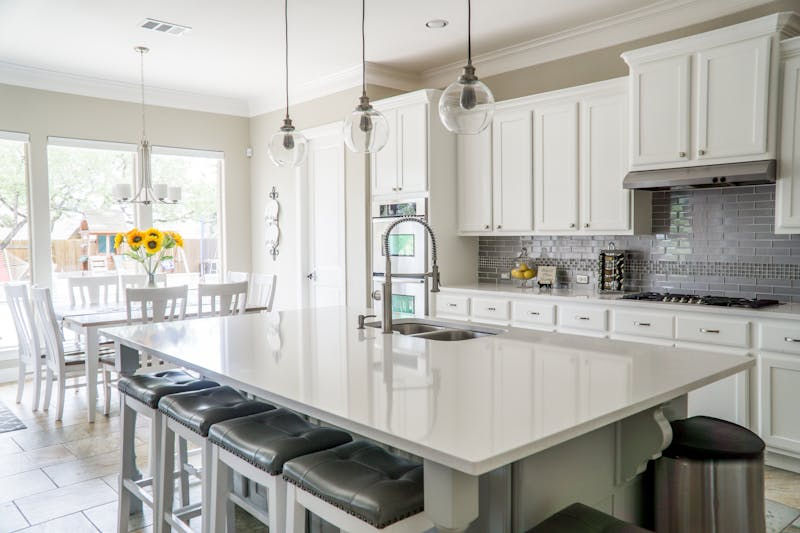
Consider your household size and lifestyle. A family of five has vastly different needs compared to a couple who loves hosting dinner parties. Your layout should support your daily routines rather than fighting against them.
Open Plan vs Closed Kitchen: Which Works Best for Australian Homes?
Aussies have embraced open-plan living wholeheartedly, and it's easy to see why. Open kitchens connect seamlessly with living and dining areas, making entertaining a breeze. You can chat with guests while preparing food, and the space feels larger and more inviting.
That said, closed kitchens have their advantages. They contain cooking smells and noise, hide mess from visitors, and can feel cosier. Many Melbourne homes now opt for a semi-open approach—think a large island that defines the kitchen space while maintaining that connected feel.
Kitchen Design Styles for Melbourne Homes
Modern Kitchen Designs: Clean Lines and Contemporary Appeal
Modern kitchen designs remain incredibly popular throughout Melbourne. Think handleless cabinets, minimalist aesthetics, and integrated appliances that create smooth, uncluttered surfaces. These kitchens often feature neutral colour palettes with bold accents, creating spaces that feel both timeless and on trend.
The beauty of modern design lies in its flexibility. You can warm things up with timber elements or keep things sleek with high-gloss finishes. Stone benchtops, particularly in whites and greys, complement this style perfectly.
Hampton Style Kitchens: Coastal Charm Meets Functionality
Hampton style has taken Melbourne by storm, bringing that relaxed coastal vibe inland. Shaker-style cabinets, often in soft whites or pale blues, create a classic foundation. Combine these with brass or chrome hardware, subway tile splashbacks, and natural timber accents for that signature look.
This style works particularly well in family homes where durability matters as much as aesthetics. Hampton kitchens feel welcoming and lived-in while still looking beautifully designed.
Traditional vs Contemporary: Finding Your Perfect Match
Can't decide between traditional and contemporary? You're not alone—many homeowners find themselves torn. Traditional kitchens offer warmth through detailed cabinetry, ornate hardware, and rich timber tones. Contemporary spaces prioritise clean lines and innovative materials.
The good news? Transitional design bridges both worlds. You might choose traditional cabinet profiles in a contemporary colour, or pair modern flat-panel doors with classic stone benchtops. Your home's architecture should guide this decision—a Victorian terrace might suit traditional elements, while a new build could handle something more contemporary.
Maximising Storage and Functionality
How Can I Maximise Storage in a Small Kitchen?
Small kitchens present unique challenges, but smart planning makes all the difference. Utilise every centimetre by extending cabinets to the ceiling—those upper spaces are perfect for items you use less frequently. Pull-out pantries, corner carousel systems, and drawer dividers transform awkward spaces into functional storage.
Don't overlook vertical surfaces either. Magnetic knife strips, hanging pot racks, and wall-mounted spice racks free up valuable bench and drawer space. The key is being ruthless about what you need accessible daily.
Smart Storage Solutions for Every Budget
From basic shelf inserts to high-tech automated systems, storage solutions exist for every budget. Simple additions like drawer organisers and pull-out bins make a noticeable difference without breaking the bank. Mid-range options include soft-close mechanisms and pull-out pantry shelves.
For those with bigger budgets, consider motorised overhead cabinets, integrated charging stations, and custom-fitted drawer systems. These investments often pay for themselves through improved functionality and reduced frustration.
The Work Triangle: Is It Still Relevant?
The traditional work triangle—positioning your sink, stove, and fridge in an efficient triangular layout—remains a useful starting point. However, modern kitchens often require more nuanced thinking. With multiple cooks, additional appliances, and island benches, simple triangles don't always apply.
Think instead about work zones: prep areas, cooking zones, cleaning stations, and storage. Ensure these zones flow logically and minimise unnecessary movement during meal preparation.
Choosing the Right Materials and Finishes
Benchtop Options: Stone, Laminate, Timber and Beyond
Your benchtop choice significantly impacts both aesthetics and functionality. Engineered stone offers durability and consistent colouring, while natural stone like marble provides unique character—though it requires more maintenance. Laminate has improved dramatically and offers excellent value for budget-conscious renovators.
Timber benchtops bring warmth but need regular oiling. Concrete and terrazzo are gaining popularity for their industrial appeal. Consider your cooking habits, maintenance tolerance, and budget when deciding.
What Colour Cabinets Are Best for Resale Value?
If resale value matters, neutrals remain your safest bet. White, cream, and soft grey cabinets appeal to the broadest range of buyers. However, don't let resale concerns completely override personal preference—you're living in this kitchen now.
Navy blue and forest green have proven surprisingly timeless, particularly in Hampton and traditional styles. If choosing bold colours, consider using them on lower cabinets or islands while keeping upper cabinets neutral.
Splashback Materials That Balance Style and Practicality
Your splashback protects walls from cooking splatters while adding visual interest. Tiles remain popular—subway tiles for classic looks, feature tiles for personality. Glass splashbacks create seamless surfaces that are easy to clean, while stone or porcelain panels offer dramatic impact.
Consider maintenance requirements seriously. Textured surfaces trap grease, while glossy finishes show fingerprints. Balance your aesthetic preferences with practical cleaning considerations.
Budgeting for Your Kitchen Renovation
How Much Does a Kitchen Renovation Cost in Melbourne?
Kitchen renovation costs in Melbourne vary enormously based on size, materials, and complexity. Budget renovations typically start around $15,000–$25,000, while mid-range projects sit between $30,000–$60,000. High-end kitchen designs can easily exceed $80,000.
Labour costs often surprise homeowners—installation, plumbing, electrical work, and gas fitting add up quickly. Getting multiple quotes helps you understand current market rates.
Where to Splurge and Where to Save
Invest in quality where it matters most: cabinet construction, benchtops, and appliances you'll use daily. Soft-close hinges and drawer runners are worth every cent—you'll open those drawers thousands of times.

Save on decorative elements that can be updated later—handles, pendant lights, and accessories. Consider laminate for pantry interiors while splurging on visible benchtops.
Hidden Costs Melbourne Homeowners Often Overlook
Temporary kitchen setup, dining out during renovations, and accommodation for longer projects add unexpected expenses. Permit fees, waste removal, and site preparation often surprise first-time renovators. Always add a 10–15% contingency to your budget.
Lighting and Ventilation Considerations
Task, Ambient and Accent Lighting Explained
Layered lighting transforms kitchens from functional to fabulous. Task lighting—under-cabinet strips, pendant lights over islands—illuminates work areas effectively. Ambient lighting provides overall illumination, while accent lighting highlights architectural features or displays.
Natural Light: Making the Most of Melbourne's Seasons
Melbourne's variable weather makes natural light particularly valuable. Consider skylights for dim spaces and position work areas near windows where possible. Light-coloured surfaces bounce natural light throughout the room, making spaces feel larger and more welcoming.
Working with Kitchen Designers in Melbourne
What Should I Look for in a Kitchen Designer?
Seek designers with strong portfolios demonstrating experience with projects like yours. Check reviews, ask for references, and ensure they understand Melbourne's specific building requirements. Communication style matters—you'll work closely together for months.
Questions to Ask Before Signing a Contract
Clarify inclusions, timelines, and payment schedules upfront. Ask about their approach to unexpected issues, warranty coverage, and post-installation support. Understanding the complete process prevents misunderstandings later.
Bringing Your Dream Kitchen to Life
Creating your perfect kitchen involves balancing countless considerations—layout, style, materials, budget, and practicality all play crucial roles. The best kitchen designs Melbourne has to offer come from thoughtful planning and clear understanding of how you'll use the space daily.
Take your time during the planning phase. Visit showrooms, collect inspiration, and be honest about your budget and lifestyle needs. A kitchen that looks stunning but doesn't function well for your family will quickly become frustrating rather than enjoyable.
Whether you're working with a professional designer or tackling the project yourself, the factors we've explored will guide you toward smart decisions. Your kitchen should feel uniquely yours—a space that supports your daily life while bringing you genuine joy every time you walk through the door. Ready to get started? Your dream kitchen awaits.


Comments