.png)


Step-by-Step Guide to Fabricating with ABS Plastic Sheets
- Evan Javier
- Apr 9
- 6 min read

Updated: May 11
Have you ever wondered why so many Australian manufacturers and DIY enthusiasts reach for ABS plastic sheets when tackling their projects? What makes this material such a go-to choice for everything from car parts to custom enclosures? And more importantly, how can you work with it yourself without making costly mistakes?
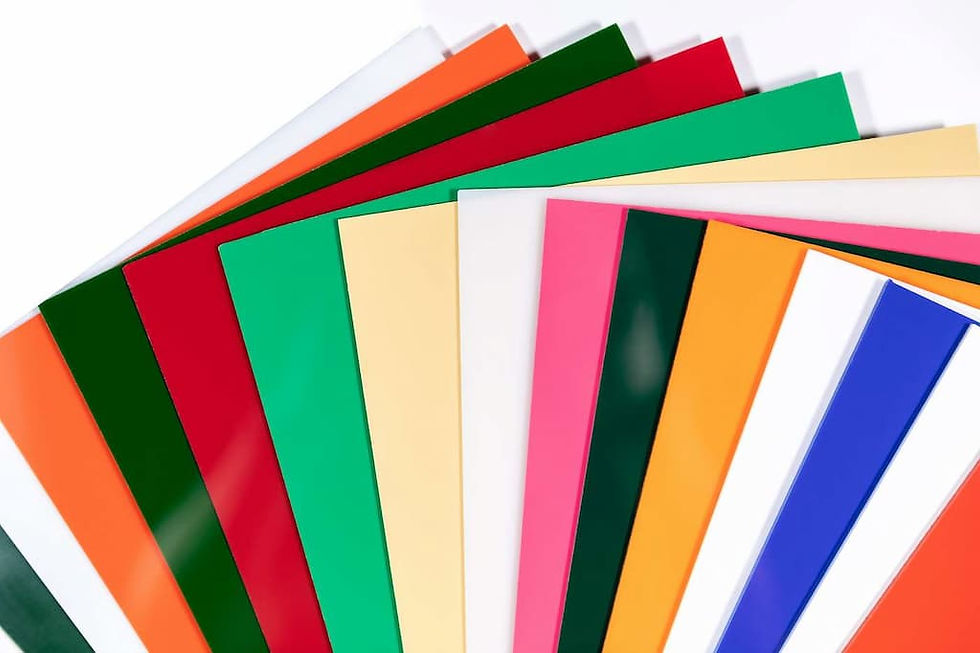
ABS plastic has earned its reputation as one of the most versatile fabrication materials available today. Whether you're a seasoned professional or just starting your first project, understanding how to cut, bend, glue, and finish ABS sheets opens up a world of possibilities. This guide walks you through every step of the fabrication process, giving you the confidence to create professional-quality results in your own workshop.
Throughout this article, you'll discover the essential tools needed for ABS fabrication, learn proven techniques for cutting and bending, and pick up expert tips for achieving flawless finishes. We'll also explore common pitfalls to avoid and help you decide whether ABS is the right choice for your specific project. Let's get stuck into it.
What is ABS Plastic and Why Choose It for Fabrication?
ABS, or Acrylonitrile Butadiene Styrene, is a thermoplastic polymer that combines three distinct monomers to create a material with impressive all-round performance. The acrylonitrile provides chemical resistance and heat stability, butadiene adds impact resistance and toughness, while styrene contributes rigidity and a smooth, glossy finish.
This combination makes ABS incredibly popular across Australian industries. You'll find it in automotive components, electronic housings, signage, protective equipment, and countless consumer products. Its ability to be easily machined, thermoformed, and bonded means fabricators can achieve complex shapes without specialist equipment.
What really sets ABS apart is its excellent balance of properties. It's tough enough to withstand knocks and impacts, yet easy to work with using standard workshop tools. Plus, it accepts paint and adhesives readily, making finishing a breeze compared to other plastics.
Essential Tools for Working with ABS Plastic Sheets
Before starting any ABS fabrication project, gathering the right equipment saves time and prevents frustration. For cutting, you'll need a combination of tools depending on your project's complexity. A sharp utility knife works well for scoring thin sheets, while a circular saw or jigsaw with fine-toothed blades handles thicker materials effectively.
Heating and thermoforming equipment becomes essential when you need to bend or shape ABS. A heat gun is the most accessible option for small projects, though strip heaters provide more consistent results for straight bends. For complex shapes, consider investing in or building a basic vacuum forming setup.
Don't overlook safety gear and finishing tools. Always wear safety glasses and a dust mask when cutting or sanding ABS. You'll also want:
- Fine-grit sandpaper (220 to 400 grit)
- Plastic-specific polishing compounds
- Appropriate adhesives (we'll cover these later)
- Clamps for securing workpieces
- A well-ventilated workspace
How to Cut ABS Plastic Sheets Like a Professional
Start by preparing your workspace properly. Clear a flat, stable surface and ensure your ABS sheet is clean and free from debris. Mark your cutting lines clearly using a fine marker or masking tape, which also helps prevent chipping along the edges.
Choosing the right cutting method depends on your project requirements. For straight cuts on sheets up to 3mm thick, score-and-snap works beautifully. Use a sharp utility knife and metal straightedge, making several passes along your line before snapping cleanly. For thicker sheets or curved cuts, a jigsaw or circular saw with a fine-toothed blade (at least 10 teeth per inch) delivers excellent results.
The key to achieving clean edges lies in blade speed and feed rate. Move slowly and steadily, allowing the blade to do the work without forcing it. Too much speed generates heat, which can melt the plastic and leave rough edges. After cutting, a quick pass with fine sandpaper removes any burrs and creates a smooth, professional finish.
Can You Bend ABS Plastic Sheets Without Breaking Them?
Absolutely! ABS is a thermoplastic, meaning it softens when heated and can be reshaped without cracking. Understanding this thermoforming process is crucial for successful bending. Unlike some plastics that become brittle when bent cold, ABS remains workable and forgiving once properly heated.
The optimal temperature range for bending ABS sits between 88°C and 105°C. At this temperature, the material becomes pliable enough to form but won't scorch or bubble. Use a heat gun on a medium setting, keeping it moving constantly to avoid hot spots. For straight bends, a strip heater provides the most consistent heat application along your bend line.
To create smooth, consistent curves, heat the bend area evenly until the plastic feels soft and flexible. Then, working quickly but carefully, form the bend using a jig or template. Hold the shape until the ABS cools enough to maintain its new form. For complex curves, consider making a simple wooden mould to ensure repeatability across multiple pieces.
Best Methods for Gluing ABS Plastic Together
Selecting the right adhesive makes all the difference when bonding ABS. Solvent-based cements designed specifically for ABS work by chemically welding the surfaces together, creating incredibly strong joints. Brands like Weld-On and Scigrip are popular choices among Australian fabricators. For applications where some flexibility is needed, two-part epoxies or cyanoacrylate (super glue) offer good alternatives.
Surface preparation is non-negotiable for strong bonds. Clean both surfaces thoroughly with isopropyl alcohol to remove oils, dust, and contaminants. Lightly sanding the bonding areas with 220-grit paper creates a slightly rough texture that improves adhesion dramatically.
The gluing process itself requires patience:
Apply solvent cement to both surfaces
Press parts together firmly within 30 seconds
Hold or clamp for at least two minutes
Allow full curing for 24 to 48 hours before stress testing
Avoid applying too much cement, as excess can squeeze out and mar the surrounding surface. Work in a well-ventilated area, as solvent fumes can be unpleasant.
Drilling and Machining Without Damage
When drilling ABS, selecting the correct drill bits prevents cracking and melting. Standard HSS (high-speed steel) bits work well, though bits designed for plastic with modified geometries produce cleaner holes. Keep drill speeds moderate—around 1,000 to 1,500 RPM for most hole sizes—and use light, steady pressure.
Preventing cracks and melting comes down to heat management. Let the drill do the work rather than forcing it through. Periodically withdrawing the bit clears chips and allows cooling. For larger holes, drilling a pilot hole first reduces stress on the material.
For precision work, CNC machining handles ABS beautifully. The material machines cleanly with minimal tool wear. Feed rates and spindle speeds should be adjusted based on the specific operation, but ABS is generally forgiving compared to acrylic or polycarbonate.
Finishing Techniques for Professional Results
Sanding and polishing transform rough-cut ABS into showroom-quality pieces. Start with 220-grit sandpaper to remove major imperfections, then progress through 400, 600, and 800 grits for increasingly smooth finishes. Wet sanding at finer grits reduces scratching and produces better results.
ABS accepts paint exceptionally well without requiring primer in most cases. Light sanding with 400-grit paper provides tooth for paint adhesion. Use paints compatible with plastics—acrylics and certain spray paints formulated for plastic work brilliantly.
Removing scratches from ABS involves the same progressive sanding approach, followed by buffing with plastic polish. For minor scratches, a heat gun passed quickly over the surface can flow the material slightly and reduce visibility—though practice this technique on scrap first.
ABS vs Acrylic: Making the Right Choice
When comparing durability and impact resistance, ABS wins hands down. It absorbs impacts that would shatter acrylic, making it ideal for protective covers, guards, and components subjected to rough handling. However, acrylic offers superior optical clarity and UV resistance.
For Australian buyers, cost considerations often favour ABS for functional applications. It's generally less expensive than acrylic and more forgiving during fabrication, reducing material waste. Acrylic commands a premium when visual transparency is essential.
Choose ABS when impact resistance, easy fabrication, and paintability matter most. Opt for acrylic when you need crystal-clear transparency or better weathering for outdoor applications without protective coatings.
Common Mistakes to Avoid
Temperature control errors cause most ABS fabrication problems. Overheating leads to bubbling, discolouration, and weakened material. Underheating results in cracking during bending. Always test temperatures on scrap pieces first.
Using incorrect tools creates poor results and potential safety hazards. Dull blades generate excessive heat and rough edges. Wrong drill speeds cause melting or cracking. Invest in proper equipment and maintain it well.
Never overlook safety precautions. ABS dust and fumes require adequate ventilation. Eye protection is essential during cutting and drilling operations. Taking shortcuts with safety often leads to regrets.
Getting Started with Your ABS Fabrication Project
Working with ABS plastic sheets offers fantastic opportunities for both professional fabricators and enthusiastic DIYers across Australia. Throughout this guide, we've explored the complete fabrication process—from selecting the right tools and cutting techniques to bending, gluing, and achieving professional finishes.
The key to success lies in understanding ABS's unique properties and respecting its requirements. Proper temperature control during heating, appropriate tool selection for cutting and drilling, and thorough surface preparation before gluing will consistently deliver excellent results. Don't rush the process and always practice new techniques on scrap material before committing to your final piece.
Now it's your turn to put these techniques into action. Start with a simple project to build confidence, then tackle increasingly complex fabrications as your skills develop. ABS is remarkably forgiving for beginners while offering the performance professionals demand. Grab some sheets, gather your tools, and start creating something brilliant.


Comments